
 Serums
 Creams & Moisturizers
 Eye Care
 Cleansers & Toners
 Masks & Treatments
 Complexion & Glow
 Body & Bath


Fine Lines: What Causes Them and How to Soften the Look
The short answer
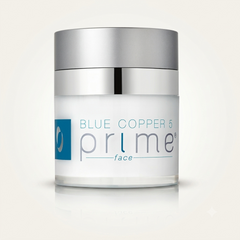
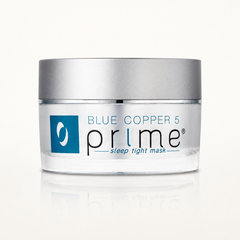
Fine lines are early, shallow creases — some are just dehydration lines that plump away with moisture, others are early wrinkles from collagen loss and expression. Tell them apart, then soften the look with hydration (hyaluronic acid), collagen-supporting retinol and peptides, antioxidant vitamin C, and daily SPF to slow new ones. A clinically dosed copper-peptide cream like Blue Copper 5 PRIME Face firms and smooths the look of lines while strengthening skin over time.
Fine lines are usually the first wrinkle anyone notices — those faint creases that appear around the eyes, across the forehead or beside the mouth, most visible in certain light or at the end of a tiring day. They’re also the most responsive sign of aging, because caught early, fine lines are exactly what a good routine is designed to soften and slow. The trick is knowing which kind you have, since a dehydration line and an early wrinkle look similar but call for different care.
This guide explains what fine lines are, why they form, how to tell a temporary dehydration line from a forming wrinkle, and the science-backed ingredients and habits that smooth and help prevent them — no miracle claims, just what the evidence supports.
What exactly are fine lines?
A fine line is a shallow crease in the skin’s surface — the earliest, mildest stage of a wrinkle. They form where skin folds repeatedly (from expressions) or where it has begun to lose the collagen, elastin and moisture that keep the surface smooth and springy. Left unaddressed, some fine lines gradually deepen into set-in wrinkles; with the right care, many can be softened and their progression slowed.
The key distinction:
- Dehydration lines are fine, often criss-crossing lines caused by a lack of water in the skin. They can appear (and disappear) relatively quickly, look worse when skin is dry, and improve almost immediately with hydration. They’re not true wrinkles.
- Fine (early) wrinkles are caused by structural change — declining collagen and repeated expression — and are more consistent from day to day. These need collagen-supporting actives, not just moisture.
Why fine lines form
- Collagen and elastin decline. From the mid-20s, collagen drops about 1% a year and elastin weakens, so the surface loses its smooth springiness and holds creases more readily.
- Dehydration and a weakened barrier. When skin can’t hold water, the surface looks lined and lacklustre — the most common cause of fine lines specifically, and the most fixable.
- Repeated expression. Squinting, frowning and smiling fold the skin in the same spots; over time, on less resilient skin, those folds linger as “expression lines” (crow’s feet, forehead lines, the ‘11s’ between the brows).
- Sun exposure. UV is the biggest controllable driver — it breaks down collagen and elastin and accounts for much of premature fine-line formation (photoaging).
- Free radicals and lifestyle. Pollution, smoking and poor sleep generate oxidative stress that degrades collagen, while smoking and dehydration make lines look more pronounced.
The 30-second fine-line test
- The hydration check. Apply a hydrating serum or a little moisturiser and look again after a few minutes. Lines that visibly soften or vanish were largely dehydration lines — hydration is your priority. Lines that stay put have a structural component that needs collagen support.
- The expression check. Relax your face fully. Lines that mostly disappear at rest are dynamic expression lines (great candidates for peptides and prevention); lines still visible when relaxed are becoming static and want retinol and firming actives.
- The light check. Fine lines that only show in raking side light and improve with hydration are early and very treatable.
The ingredients that actually help
Hyaluronic acid — the fastest win. Because so many fine lines are dehydration lines, plumping the surface with hyaluronic acid can smooth them almost immediately. Press a Hyaluronic Acid Serum onto slightly damp skin and seal with moisturiser.
Retinol — the gold standard for wrinkles. Retinol speeds surface renewal and supports collagen, making it the most proven active for softening the look of early wrinkles and refining texture. Start low and slow — a couple of nights a week, buffered with moisturiser — and always wear morning SPF. Our Anti-Aging Super Serum brings renewing, retinol-style support into the routine for fine lines, elasticity and dehydration together.
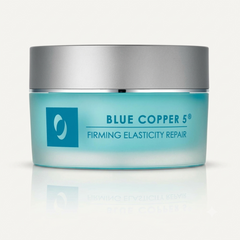
Peptides — for firmness and expression lines. Peptides signal skin to support its own structure. Signal peptides like Matrixyl® 3000 and our signature copper peptides help firm the look of skin and soften fine lines gently — a great, non-irritating complement to retinol. Find them in Blue Copper 5 Firming Elasticity Repair and PRIME Face.
Vitamin C — for collagen support, glow and prevention. A daytime antioxidant that supports collagen, brightens tone and helps defend against the UV damage that creates lines. Our Vitamin C Serum pairs perfectly with sunscreen.
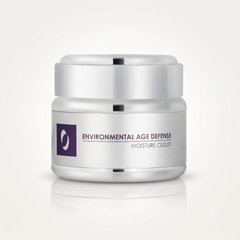
Niacinamide and a strong barrier — for smoothness. A resilient, well-hydrated barrier creases less and reflects light more evenly. A cushioning moisturiser like the Environmental Age Defense Moisture Cloud keeps the surface plump, and our Glow Toner with niacinamide refines and preps the skin.
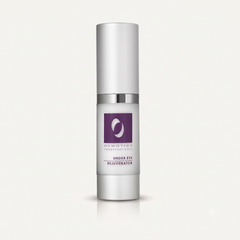
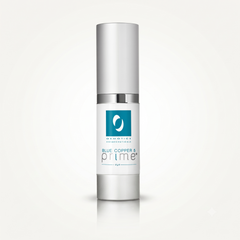
For the eye area. Fine lines often show first around the eyes, where skin is thinnest. A dedicated treatment such as Blue Copper 5 PRIME Eye targets crow’s feet and fine lines in this delicate zone.
The takeaway: smooth dehydration lines with hyaluronic acid, soften early wrinkles with retinol and peptides, support and defend with vitamin C, and prevent new lines with daily SPF.
Habits that make a real difference
- Wear SPF every day. The single most effective way to prevent fine lines from forming and deepening.
- Never sleep in make-up, and hydrate well. Dehydrated, congested skin shows fine lines far more.
- Wear sunglasses. They cut the squinting that etches crow’s feet — and shield the delicate eye area from UV.
- Don’t smoke, and prioritise sleep. Both strongly influence how quickly lines appear.
- Be gentle. Avoid tugging the skin, especially around the eyes; pat products in.
- Start early. Prevention is far easier than reversal — hydration, antioxidants and SPF in your 20s and 30s pay off for decades.
Building a simple routine for fine lines
Morning: cleanse → Vitamin C Serum → Hyaluronic Acid Serum on damp skin → moisturiser → SPF, always.
Evening: cleanse → renewing step a few nights a week (Anti-Aging Super Serum) → hyaluronic acid on the other nights → a peptide firming cream such as Firming Elasticity Repair, plus PRIME Eye around the eyes.
Hydration smooths fine lines quickly; softening early wrinkles builds over several weeks of consistent use. To start with a coordinated set, the Face Set Collection covers the core steps, and you can explore more in our Fine Lines & Wrinkles collection. Individual results may vary.
How Osmotics approaches fine lines
Osmotics pairs renewing actives with peptides at clinical strength, because softening a fine line means both smoothing the surface and supporting the structure beneath it. Our Anti-Aging Super Serum combines antioxidants and pure hyaluronic acid for fine lines, lost elasticity and dehydration at once, while copper-peptide creams like Blue Copper 5 PRIME Face firm the look of skin over time. Find your match with the skin quiz, or browse the Fine Lines & Wrinkles collection. Individual results may vary.
When to see a professional
Topical care is highly effective for fine lines and early wrinkles. If you want to address deeper, set-in wrinkles or expression lines faster than skincare allows, a dermatologist or qualified practitioner can advise on options such as prescription retinoids, injectables for dynamic lines, or resurfacing treatments. Skincare and in-office care complement each other — a strong daily routine supports and maintains any professional results.
Frequently asked questions
What’s the difference between fine lines and wrinkles?
Fine lines are shallow, early creases — the mildest stage. Wrinkles are deeper and more set-in. Many fine lines are also just dehydration lines that improve immediately with moisture, whereas true wrinkles need collagen-supporting actives like retinol and peptides.
Can fine lines be reversed?
Dehydration-related fine lines can be smoothed almost completely with hydration. Structural fine lines and early wrinkles can be visibly softened and their progression slowed with retinol, peptides, vitamin C and SPF, though results are cosmetic and gradual. Deeper set-in wrinkles are harder to reverse with topicals alone.
What is the best ingredient for fine lines?
For dehydration lines, hyaluronic acid. For early wrinkles, retinol is the most proven, ideally paired with peptides for firmness and vitamin C plus SPF for support and prevention.
At what age do fine lines appear?
Often in the late 20s to 30s, starting around the eyes and forehead as collagen declines and expression lines set in. Sun exposure, dehydration and genetics can bring them earlier.
Can I prevent fine lines?
You can meaningfully slow them: daily SPF, good hydration, antioxidants, not smoking and sunglasses to reduce squinting are the highest-impact prevention habits, and they work best started early.
How long until I see results?
Hydration can smooth fine lines within minutes to days. Softening early wrinkles with retinol and peptides builds over several weeks to a few months of consistent use. Individual results vary.
Key takeaways
- Fine lines are the earliest, most treatable stage of wrinkles — and many are simply dehydration lines.
- Use the hydration and expression tests to tell dehydration lines from forming wrinkles.
- Smooth dehydration lines with hyaluronic acid; soften early wrinkles with retinol and peptides; support with vitamin C.
- Daily SPF is the most effective prevention; sunglasses, hydration, sleep and not smoking all help.
- Start early and stay consistent — prevention is far easier than reversal — and see a professional for deeper set-in wrinkles.
This article is for educational purposes and describes the appearance of skin; it is not medical advice. Individual results may vary.