
 Serums
 Creams & Moisturizers
 Eye Care
 Cleansers & Toners
 Masks & Treatments
 Complexion & Glow
 Body & Bath


Vitamin C: The Complete Guide
Written by the Osmotics team · Reviewed by Elena Hart, MD, dermatologist · Last updated
The short answer
Vitamin C is an antioxidant that brightens skin, fades the look of dark spots, supports collagen and defends against UV and pollution damage. Use it in the morning under sunscreen for both brightening and daytime protection; it pairs especially well with SPF and hyaluronic acid.
Quick answer: Vitamin C is the daytime antioxidant. It helps defend skin against pollution and UV-driven free radicals, brightens the look of dull, uneven tone, and supports collagen for firmer-looking skin. Use it in the morning under SPF. The most researched form is L-ascorbic acid; gentler derivatives suit sensitive skin.
What is vitamin C?
Vitamin C (ascorbic acid) is a potent antioxidant the skin can’t make for itself. In skincare it does two big jobs: it neutralises the free radicals generated by sun and pollution before they damage skin, and it acts as an essential cofactor in the skin’s own collagen production. That combination is why it’s a cornerstone brightening and anti-ageing active.
What does vitamin C do for skin?
- Brightens tone — helps fade the look of dark spots and dullness for a more even, radiant complexion.
- Antioxidant defence — mops up free radicals from UV and pollution, complementing (not replacing) your SPF.
- Supports firmness — as a cofactor in collagen synthesis, it helps skin look firmer over time.
- Evens texture — regular use leaves skin looking smoother and more luminous.
The forms of vitamin C
L-ascorbic acid is the pure, most-researched form — highly effective but less stable and potentially irritating at high strengths. Derivatives such as sodium ascorbyl phosphate, magnesium ascorbyl phosphate, ascorbyl glucoside and tetrahexyldecyl ascorbate are more stable and gentler, a better fit for sensitive skin, though generally milder. A good formula balances potency, stability and comfort.
How to use vitamin C
Vitamin C shines in the morning: cleanse → vitamin C serum → moisturise → SPF. Pairing it with sunscreen gives better daytime antioxidant protection than either alone. Store it away from light and air, and if the formula turns deep orange or brown it has oxidised and lost potency.
Can I use vitamin C with niacinamide and retinol?
Yes to niacinamide — the old “don’t combine them” claim comes from outdated lab conditions and doesn’t apply to modern formulas. With retinol, many people simply use vitamin C in the morning and retinol at night, which sidesteps any irritation and lets each work when it’s most useful.
Is vitamin C safe?
Vitamin C is well tolerated by most people. High-strength L-ascorbic acid can sting sensitive skin — start with a gentler derivative or lower strength and build up. Patch test first. This guide is general education, not medical advice.
See how antioxidants fit the wider routine in the Ingredient Glossary, or find your match with the skin quiz.
Frequently asked questions
Should I use vitamin C in the morning or at night?
Morning is ideal, under sunscreen, so its antioxidant defence works through the day. It’s still effective at night if that suits your routine better.
Can I use vitamin C with niacinamide?
Yes. The idea they cancel each other out is a myth from old lab studies; modern formulas work well together.
Can I use vitamin C with retinol?
Yes, though many people use vitamin C in the morning and retinol at night to minimise any irritation.
What is the best form of vitamin C?
L-ascorbic acid is the most researched and potent; derivatives like tetrahexyldecyl ascorbate or magnesium ascorbyl phosphate are gentler and more stable for sensitive skin.
Why has my vitamin C turned orange or brown?
It has oxidised through exposure to light and air, which reduces its potency. Store it sealed and away from light, and replace it once it darkens.
Does vitamin C replace sunscreen?
No. It complements SPF by adding antioxidant defence, but sunscreen is still essential.
How long does vitamin C take to work?
Radiance often improves within a couple of weeks; tone and spots even out over several weeks of consistent morning use. Individual results vary.
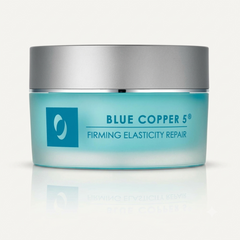
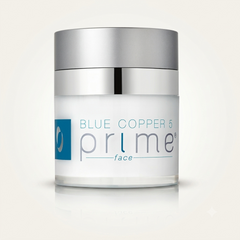
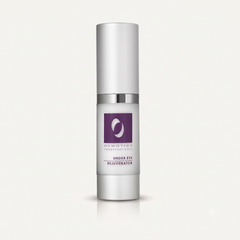
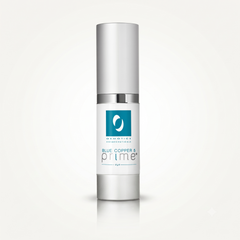
Shop products with this ingredient
Osmotics formulas that contain this ingredient.
Shop products with this ingredient
Osmotics formulas that feature this active.
References
- Pullar JM, Carr AC, Vissers MCM. The Roles of Vitamin C in Skin Health. Nutrients. 2017;9(8):866.
- Telang PS. Vitamin C in dermatology. Indian Dermatology Online Journal. 2013;4(2):143–146.
This guide describes the appearance of skin and is general education, not medical advice; individual results may vary.