
 Serums
 Creams & Moisturizers
 Eye Care
 Cleansers & Toners
 Masks & Treatments
 Complexion & Glow
 Body & Bath


Peptides in Skincare: The Complete Guide
Written by the Osmotics team · Reviewed by Elena Hart, MD, dermatologist · Last updated
The short answer
Peptides are short chains of amino acids that act as messengers, signalling skin to support collagen, firmness and repair. Different peptides do different jobs — copper peptides and signal peptides like Matrixyl 3000 target firmness and the look of lines. They're gentle and layer well with most actives.
Quick answer: Peptides are short chains of amino acids that act as messengers, telling skin cells to behave in a firmer, more youthful way — for example by supporting the skin’s own collagen. They are gentle, layer with almost everything, and work gradually. The family includes signal peptides, carrier peptides (like our copper peptides) and targeted peptides for the eye, lip and facial volume. Osmotics has specialised in peptide chemistry since 1998.
Shop the range: Peptides collection · Copper Peptides · Anti-Aging Serums · Bestsellers · Find your routine
What are peptides?
Proteins such as collagen and elastin are long chains of amino acids. A peptide is a much shorter fragment — typically two to a few dozen amino acids. When skin breaks down, it releases these fragments, and the body reads them as a signal that repair is needed. Skincare peptides borrow that language: applied topically, they act as messengers that nudge skin toward firmer, more resilient behaviour, without the irritation of harsher actives.
How peptides work on skin
Different peptides do different jobs. The main mechanisms are:
- Signal peptides — tell fibroblasts to produce more collagen, elastin and other support molecules. Matrikines like those in Matrixyl® 3000 work this way.
- Carrier peptides — deliver trace minerals the skin needs into the surface layers. Our signature copper peptides carry copper, a cofactor in renewal and antioxidant defence.
- Enzyme-inhibitor peptides — help slow the enzymes that break collagen down, so skin keeps more of what it makes.
- Neurotransmitter-inhibitor peptides — gently soften the muscle contractions behind expression lines (the “topical relaxer” category).
In plain terms: peptides support the look of firmness, elasticity and density and help soften the appearance of fine lines. They are cosmetic actives that work with the skin’s natural processes, so they’re generally gentle and suit most skin types.
The targeted peptides we use
Beyond the broad families, specific peptides are developed for specific concerns. Across our range you’ll find SYN®-HYCAN (neck and chest firmness), Eyeseryl® (under-eye puffiness), Haloxyl™ (the look of dark circles), Adifyline® (facial volume), Hilurlip™ (lip volume) and Regestril™ (the look of stretch marks). Each is carried at its clinically studied dose. You will find them in targeted treatments like Nécolleté for neck and chest, Under Eye Rejuvenator for the eyes, Lipofill for facial volume, Lip Plumper for lips and Anti-Aging Body Lift for the body.
Peptide serums and creams
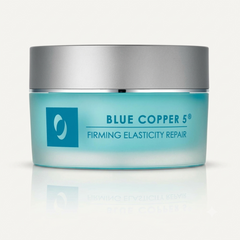
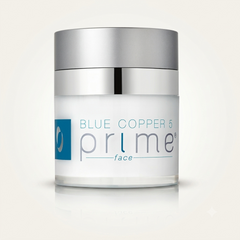
A peptide serum delivers a concentrated, lightweight dose you can layer under other steps — our Anti-Aging Super Serum pairs copper peptides and Matrixyl® 3000 for fine lines and firmness. A peptide cream combines the actives with moisturisers in one step — Blue Copper 5 Firming Elasticity Repair for firmness, or Blue Copper 5 PRIME Face from the Blue Copper 5 PRIME® range for hormonal skin 40+. Browse both in the Peptides collection and Anti-Aging Serums.
Why the dose matters
A peptide only does what its study showed if it is present at the concentration that study used. Many products name a celebrated peptide on the box but include far too little of it to matter — “fairy dusting.” Osmotics formulates its peptides at the level used in the research behind them, and where an ingredient sits below that level, it makes no claim for it.
Peptides vs. retinol and growth factors
- vs. retinol: retinol accelerates surface turnover and can irritate; peptides support the skin’s structural machinery and are gentle. They complement each other — serum first, peptide cream on top.
- vs. growth factors: both support renewal signalling, but peptides are smaller, more stable and easier to formulate, with a long research history.
How to use peptides
Peptides are easy to layer and pair well with almost everything, including retinol, vitamin C, niacinamide and hyaluronic acid. Apply your peptide serum or treatment after cleansing, then moisturise. A peptide cream such as Blue Copper 5 Firming Elasticity Repair can double as your moisturiser step, and targeted peptides like those in Under Eye Rejuvenator and Nécolleté address specific areas. Use morning and night, and be consistent — peptides reward routine over intensity.
How long until you see results?
Peptide results build gradually, typically over several weeks to a few months of consistent twice-daily use, as the skin’s surface becomes better supported. Individual results vary.
Shop peptides by concern
Choose the concern that matters most and we will point you to the right peptide treatments:
- Loss of firmness — sagging, slackening skin that has lost its bounce.
- Fine lines & wrinkles — softening the look of lines and creases.
- Crepey neck & chest — firming the delicate skin below the jaw.
- Dark circles & puffiness — brightening and de-puffing the eye area.
- Dryness & dehydration — restoring moisture and a plumper surface.
Or browse everything in the Peptides collection, or take the skin quiz.
Are peptides safe?
Peptides are among the gentlest anti-ageing actives and are generally well tolerated across skin types, including sensitive skin. Patch test a new product if your skin is reactive. This guide is general education, not medical advice.
Browse every peptide we use in the Ingredient Glossary, shop the full Peptides collection and Copper Peptide collection, or find your match with the skin quiz.
Frequently asked questions
What do peptides do for your skin?
They signal skin to support its own firmness and structure, helping the look of elasticity and fine lines improve over time.
What are the main types of peptide?
Signal peptides (tell skin to build), carrier peptides (deliver minerals like copper), enzyme-inhibitor peptides (slow collagen breakdown) and neurotransmitter-inhibitor peptides (soften expression lines).
Are peptides better than retinol?
They do different jobs and work well together. Retinol accelerates renewal; peptides support the skin’s structural machinery. Many routines use both, serum first and peptide cream on top.
Can I use peptides every day?
Yes. Peptides are gentle and designed for continuous morning and night use.
Can I layer peptides with other actives?
Yes — they pair well with retinol, vitamin C, niacinamide and hyaluronic acid.
Do peptides really work?
Well-studied peptides at their researched dose are supported for the look of firmness and lines. Effects are cosmetic and gradual, and depend on the product using a meaningful concentration.
Are peptides safe for sensitive skin?
Yes — they’re among the gentlest actives and are often chosen specifically for reactive skin.
How long do peptides take to work?
Results build gradually over several weeks to a few months of consistent use. Individual results vary.
Shop peptide skincare
Osmotics peptide serums, creams and targeted treatments.
Shop products with this ingredient
Osmotics formulas that feature this active.
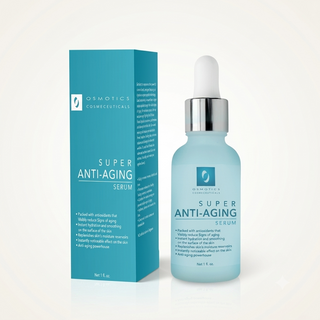 Anti-Aging Super Serum
 pairs copper peptide and Matrixyl® with multi-weight hyaluronic acid, for fine ...
$70.00
Anti-Aging Super Serum
Anti-Aging Super Serum pairs copper peptide and Matrixyl® with multi-weight hyaluronic acid, for fine ...
$70.00
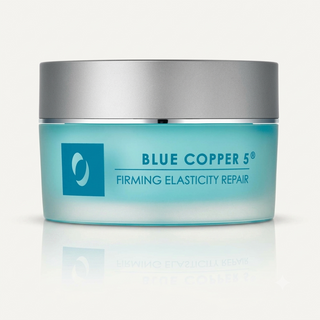 Blue Copper 5® Firming Elasticity Repair
 is a copper peptide regenerative firming cream with Matrixyl ...
$58.00
Blue Copper 5® Firming Elasticity Repair
Blue Copper 5® Firming Elasticity Repair is a copper peptide regenerative firming cream with Matrixyl ...
$58.00
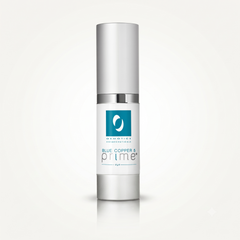
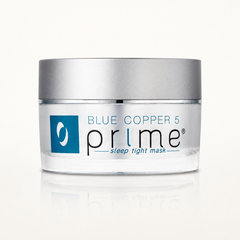
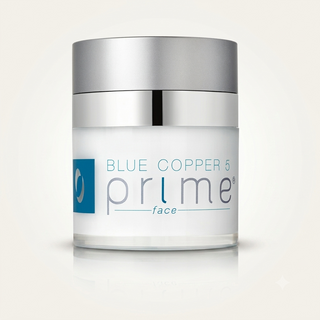 Blue Copper 5 PRIME® Face Cream
Blue Copper 5 PRIME® Face is our most advanced copper peptide face cream, with Matrixyl® 3000 and a fu...
$144.00
Blue Copper 5 PRIME® Face Cream
Blue Copper 5 PRIME® Face is our most advanced copper peptide face cream, with Matrixyl® 3000 and a fu...
$144.00
 Blue Copper 5 PRIME® Eye Cream
Blue Copper 5 PRIME® Eye is a copper peptide eye cream with Matrixyl® 3000, for heavy, hooded lids, cr...
$120.00
Blue Copper 5 PRIME® Eye Cream
Blue Copper 5 PRIME® Eye is a copper peptide eye cream with Matrixyl® 3000, for heavy, hooded lids, cr...
$120.00
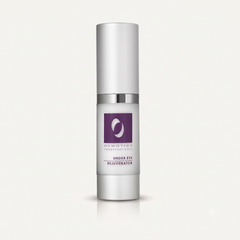
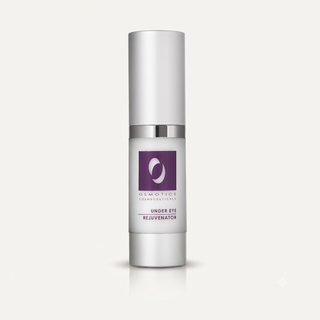 Under Eye Rejuvenator
 is a copper peptide eye cream with clinically studied Eyeseryl and Haloxyl, for ...
$120.00
Under Eye Rejuvenator
Under Eye Rejuvenator is a copper peptide eye cream with clinically studied Eyeseryl and Haloxyl, for ...
$120.00
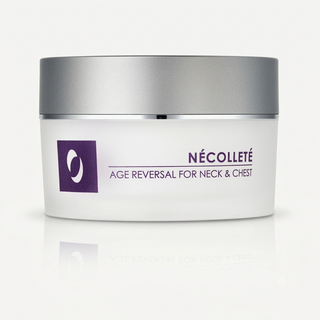 Nécolleté Age Reversal for Neck and Chest
Nécolleté Age Reversal is a peptide neck and chest cream built on Essenskin® to firm, re-densify and s...
$84.00
Nécolleté Age Reversal for Neck and Chest
Nécolleté Age Reversal is a peptide neck and chest cream built on Essenskin® to firm, re-densify and s...
$84.00
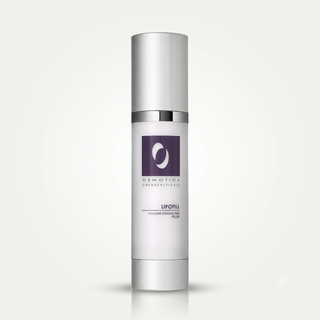 Lipofill Skin Firmness Restoration
 is a needle-free firming serum for lost facial volume, nasolabial f...
$120.00
Lipofill Skin Firmness Restoration
Lipofill Skin Firmness Restoration is a needle-free firming serum for lost facial volume, nasolabial f...
$120.00
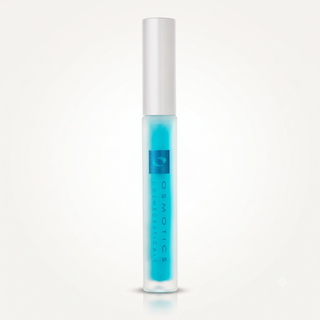 Blue Copper 5® Lip Plumper
 is a needle-free copper peptide lip plumper with hyaluronic acid, for thinn...
$74.00
Blue Copper 5® Lip Plumper
Blue Copper 5® Lip Plumper is a needle-free copper peptide lip plumper with hyaluronic acid, for thinn...
$74.00
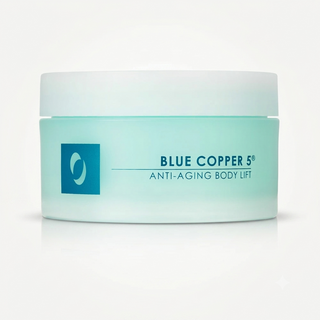 Blue Copper 5® Anti-Aging Body Lift
 is a copper peptide body cream that tightens and firms crepey, sla...
$144.00
Blue Copper 5® Anti-Aging Body Lift
Blue Copper 5® Anti-Aging Body Lift is a copper peptide body cream that tightens and firms crepey, sla...
$144.00
 Blue Copper 5® Intensive Ampoule Series
 is a concentrated copper peptide ampoule serum — an intensive ...
$80.00
Blue Copper 5® Intensive Ampoule Series
Blue Copper 5® Intensive Ampoule Series is a concentrated copper peptide ampoule serum — an intensive ...
$80.00
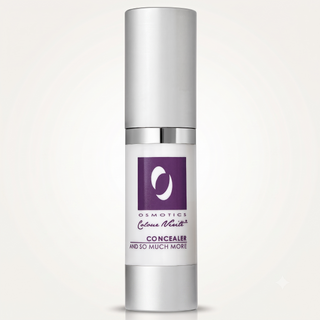 Concealer and So Much More
 is a luminous peptide treatment concealer for dark circles and the fine lin...
$36.00
Concealer and So Much More
Concealer and So Much More is a luminous peptide treatment concealer for dark circles and the fine lin...
$36.00
References
- Schagen SK. Topical Peptide Treatments with Effective Anti-Aging Results. Cosmetics. 2017;4(2):16.
- Errante F, Ledwoń P, Latajka R, Rovero P, Papini AM. Cosmeceutical Peptides in the Framework of Sustainable Wellness Economy. Frontiers in Chemistry. 2020;8:572923.
This guide describes the appearance of skin and is general education, not medical advice; individual results may vary.