
 Serums
 Creams & Moisturizers
 Eye Care
 Cleansers & Toners
 Masks & Treatments
 Complexion & Glow
 Body & Bath


Crepey Neck and Chest: What Causes It and How to Smooth the Look
The short answer
The neck and chest age early because the skin is thinner, has fewer oil glands and gets more unprotected sun than the face — yet is usually left out of routines. Smooth and firm the crepey look by extending your skincare down: hydrate with hyaluronic acid, brighten with vitamin C, and wear SPF on the neck and chest daily. A neck-specific peptide treatment like Nécolleté Age Reversal is formulated for exactly this area, firming and smoothing the look of a crepey neck and chest creases.
You take beautiful care of your face — serums, SPF, the works — and then one day you catch your reflection and realise your neck and chest have quietly told a different story. Thin, finely lined, a little slack, with that soft “crêped-paper” texture that appears when you turn your head. If this sounds familiar, you’re in very good company: the neck and décolletage are among the first areas to show age, and among the most neglected in a daily routine.
This guide explains why the neck and chest age early, what crepey skin actually is (and how it differs from wrinkles), and the science-backed ingredients and habits that firm and smooth the look — no miracle promises, just what the evidence supports and how to build a routine that finally includes below the jaw.
Why the neck and chest age faster than the face
It isn’t your imagination — the skin here is genuinely more vulnerable, for several reasons:
- It’s thinner. Neck and décolletage skin is markedly thinner than facial skin, with less structural support — so collagen and elastin loss shows sooner and more dramatically.
- It has fewer oil glands. Far fewer sebaceous glands means less natural moisture, so the area dries out and turns crepey more easily.
- It gets more sun — with less protection. The chest in particular catches years of incidental UV (open necklines, driving, walks) yet is the area people most often forget to protect. UV is the leading cause of the collagen breakdown, crêping and mottled “sun spots” seen here.
- It moves and folds constantly. The neck bends thousands of times a day, and more of us now spend hours looking down at phones — the so-called “tech neck” that etches horizontal lines.
- It’s usually under-treated. Most routines stop at the jawline, so the neck and chest miss out on the very actives that would help them most.
Crepey skin vs. wrinkles — what’s the difference?
They’re related but not the same, and telling them apart helps you treat them:
- Crepey skin is a texture and thinness issue — finely wrinkled, loose and papery over a wider area, often looking dry and “dehydrated.” It’s driven largely by lost collagen/elastin and lost moisture, which is why it responds so well to hydration plus firming.
- Wrinkles are deeper, more defined individual creases (like the horizontal “necklace lines” across the neck).
- Sagging/laxity is slackening of the deeper support — loss of the taut, lifted look along the jaw and neck.
Most necks show a mix of all three, which is why the best approach layers hydration (for the crepey texture), peptides (for firmness) and sun protection (for prevention).
The 30-second neck check
- The turn test. Turn your head to the side and look in the mirror. Fine, papery lines that appear with the movement and soften when you face forward point to crepiness — the target for hydration and firming.
- The pinch test. Gently pinch and release the skin below the jaw. The slower it settles, the more your routine should prioritise firming and elasticity support.
- The tone check. Look for mottled brown-and-red patches on the chest — a classic sign of accumulated sun exposure that calls for daily SPF and antioxidants.
The ingredients that actually help
Peptides built for the neck. Peptides signal skin to support its own firmness — exactly what thin, slackening neck skin needs. Osmotics developed Nécolleté Age Reversal for Neck and Chest specifically for this area: a peptide treatment that works to firm, smooth and renew the look of a crepey neck, chest creases and sun-exposed décolletage. Because it’s formulated for delicate below-the-jaw skin, it’s the most direct answer in the range.
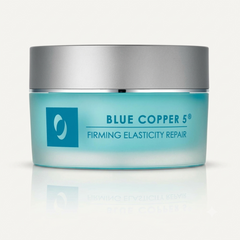
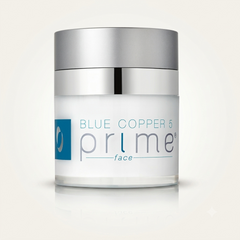
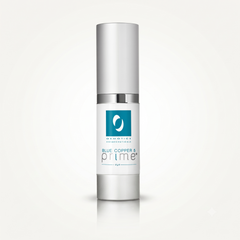
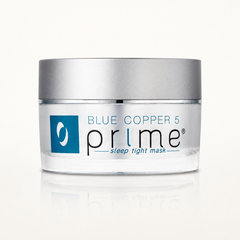
Copper peptides — for all-over firmness. Extending your copper-peptide firming care down onto the neck helps support resilience where skin has thinned. Many people simply sweep their Blue Copper 5 Firming Elasticity Repair or PRIME Face cream down to the collarbone.
Hyaluronic acid — for the crepey texture. Because crepiness is part dehydration, plumping the surface with hyaluronic acid makes an immediate visible difference. Press a Hyaluronic Acid Serum onto damp neck and chest before your cream.
Retinol — for collagen and smoothness. Retinol supports collagen and refines texture, but neck skin is sensitive — introduce it slowly, a couple of nights a week, buffered with moisturiser, and never skip morning SPF. Our Anti-Aging Super Serum is a gentle way to bring renewing support to the area.
Vitamin C and antioxidants — for tone and defense. The chest’s sun-driven discolouration and collagen loss respond to a daytime antioxidant like our Vitamin C Serum, which brightens the look of uneven tone and helps defend against further UV damage.
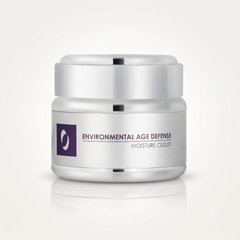
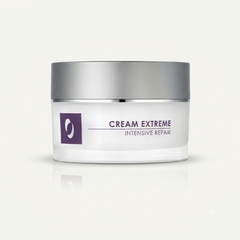
Rich moisturisers and barrier lipids. With so few oil glands, the neck loves an occlusive final step. A cushioning cream like the Environmental Age Defense Moisture Cloud, or the richer Cream Extreme Intensive Repair for very dry, crepey skin, seals in moisture and softens the papery texture.
The takeaway: treat crepiness with hydration, firmness with peptides (ideally a neck-specific treatment like Nécolleté), tone with vitamin C, and prevent it all with daily SPF on the neck and chest — the step most people miss.
Habits that make a real difference
- Extend everything down. The simplest, highest-impact change: bring your serums, moisturiser and — above all — SPF down onto the neck and chest every day.
- Protect the décolletage from the sun. Broad-spectrum SPF on the chest prevents the crêping and mottled spots that define an aged neckline.
- Mind “tech neck.” Raise your phone toward eye level rather than constantly looking down to reduce horizontal creasing.
- Sleep on your back. Side-sleeping folds the chest for hours; a silk pillowcase and back-sleeping help.
- Hydrate and don’t smoke. Well-hydrated skin looks less crepey, and smoking accelerates collagen loss here as everywhere.
- Apply upward. Sweep products from the collarbone up toward the jaw with light, upward strokes.
Building a simple neck-and-chest routine
Morning: cleanse → Vitamin C Serum on face, neck and chest → Nécolleté swept upward → moisturiser → SPF on the neck and chest, every day.
Evening: cleanse → Hyaluronic Acid Serum on damp skin → Nécolleté (and a renewing step like Anti-Aging Super Serum a few nights a week) → a rich moisturiser to seal it in.
Give it consistent time — firmness and smoothness build over several weeks of daily use. And don’t forget the back of the neck and the hands, which age similarly; a copper-peptide body treatment like Blue Copper 5 Anti-Aging Body Lift extends firming care further. Individual results may vary.
How Osmotics approaches the neck and chest
Because the décolletage ages early and is so often overlooked, Osmotics created Nécolleté Age Reversal for Neck and Chest — a peptide treatment made specifically for a crepey neck, chest creases and sun damage below the jawline. It works to firm, smooth and renew an area that most routines forget, and layers seamlessly with the copper-peptide creams you already use on your face. Explore firming care in our Loss of Firmness collection, or find your match with the skin quiz. Individual results may vary.
When to see a professional
Topical care genuinely improves the look of a crepey, slack neck — but for deeper laxity or heavy sun damage you may want more. A dermatologist or qualified practitioner can advise on options such as energy-based skin-tightening (radiofrequency, ultrasound), lasers for sun-damaged tone, or injectables. Skincare and in-office care work well together: a consistent neck routine helps maintain results and supports skin quality between appointments. Always have any new or changing spot on the chest checked.
Frequently asked questions
Can you fix crepey neck skin with skincare?
Skincare can visibly smooth and firm the look of a crepey neck — hydration plumps the papery texture, peptides support firmness and daily SPF prevents further damage. It won’t tighten significant laxity the way an in-office treatment can, but consistent care makes a real, visible difference.
Why is my neck aging faster than my face?
Neck and chest skin is thinner, has fewer oil glands and gets significant sun exposure — yet is usually left out of daily routines. Extending your serums, moisturiser and especially SPF down onto the neck is the single biggest fix.
What is the best product for a crepey neck?
A neck-specific peptide treatment like Nécolleté for firmness, layered over a hyaluronic acid serum for the crepey texture, with daily SPF to prevent more damage.
Can I use my face products on my neck?
Yes — extending your serums and creams down is exactly what the neck needs. Just introduce stronger actives like retinol more slowly here, since the skin is thinner and more sensitive.
How long until I see results?
Hydration smooths the crepey look quickly; firmness and texture build gradually over several weeks of consistent daily use. Individual results vary.
Does “tech neck” from looking at phones really cause lines?
Repeatedly bending the neck to look down does contribute to horizontal creasing over time. Raising devices toward eye level and keeping the area firm and hydrated both help.
Key takeaways
- The neck and chest age early because the skin is thinner, drier and more sun-exposed — and usually under-treated.
- Crepiness is a texture-and-moisture issue; wrinkles and laxity often accompany it — most necks show a mix.
- Treat it by layering hydration, peptides (ideally a neck-specific treatment like Nécolleté), vitamin C and daily SPF.
- The highest-impact habit is simply extending your routine — especially SPF — down onto the neck and chest.
- Be consistent and gentle, give it several weeks, and see a professional for deeper laxity or sun damage.
This article is for educational purposes and describes the appearance of skin; it is not medical advice. Individual results may vary.