
 Serums
 Creams & Moisturizers
 Eye Care
 Cleansers & Toners
 Masks & Treatments
 Complexion & Glow
 Body & Bath


Matrixyl 3000: The Complete Guide
Written by the Osmotics team · Reviewed by Elena Hart, MD, dermatologist · Last updated
The short answer
Matrixyl 3000 is a signal-peptide complex (palmitoyl tripeptide-1 and tetrapeptide-7) that cues skin to support collagen, helping firm and smooth the look of fine lines and wrinkles.
Quick answer: Matrixyl® 3000 is one of skincare’s most researched signal-peptide complexes. It combines two matrikine peptides that “message” skin to rebuild its support structure, helping firm the look of skin and soften wrinkles — gently, without the irritation of retinol. It’s a workhorse anti-ageing active you’ll find across serious peptide skincare.
What is Matrixyl® 3000?
Matrixyl® 3000 is a patented peptide complex built around two matrikines — Palmitoyl Tripeptide-1 and Palmitoyl Tetrapeptide-7. Matrikines are messenger fragments the skin naturally releases when its matrix breaks down, signalling “repair needed.” By supplying them topically, Matrixyl® 3000 mimics that natural repair signal, prompting skin to behave as though it’s restoring itself.
How Matrixyl® 3000 works
The two peptides act on the skin’s fibroblasts — the cells that produce collagen, elastin and the other molecules that keep skin firm and cushioned. Palmitoyl Tetrapeptide-7 also helps moderate the excess inflammatory signalling that degrades the matrix over time. Together they support a firmer, denser-looking surface and help visibly soften fine lines and wrinkles. The “palmitoyl” part is a fatty acid tail that helps the peptide penetrate the skin’s surface.
What does Matrixyl® 3000 do for skin?
- Softens fine lines and wrinkles — by signalling renewed matrix support.
- Firms the look of skin — supports the density and bounce that fade with age.
- Improves the feel of elasticity — skin looks and feels more resilient over time.
- Gentle alternative or partner to retinol — renewal signalling without the irritation.
Matrixyl® 3000 vs. retinol and copper peptides
Matrixyl® 3000 and retinol both target lines and firmness but by different routes — retinol accelerates turnover (and can irritate), while Matrixyl signals structural support gently, so they pair well. Our own copper peptides complement it too: copper supports renewal and antioxidant defence while matrikines cue matrix rebuilding. Layered peptide systems are how modern anti-ageing formulas get results without harshness.
How to use Matrixyl® 3000
Matrixyl® 3000 comes formulated into serums and creams and is gentle enough for twice-daily use. It layers cleanly with hyaluronic acid, niacinamide, vitamin C and retinol — apply your peptide treatment after cleansing, then moisturise. It suits most skin types, including sensitive skin, because signal peptides are inherently gentle.
Is Matrixyl® 3000 safe?
Signal peptides like these are among the best-tolerated anti-ageing actives and are generally suitable for all skin types. This guide is general education, not medical advice; individual results vary.
Explore every peptide we use in the Ingredient Glossary, or find your match with the skin quiz.
Frequently asked questions
What is Matrixyl 3000?
A patented complex of two matrikine peptides — Palmitoyl Tripeptide-1 and Palmitoyl Tetrapeptide-7 — that signal skin to support its own firmness and soften wrinkles.
Is Matrixyl 3000 better than retinol?
It’s gentler and works differently. Retinol speeds turnover; Matrixyl signals structural support. Many routines use both for complementary benefits.
Can I use Matrixyl 3000 with other actives?
Yes — it layers well with retinol, vitamin C, niacinamide, hyaluronic acid and copper peptides.
Is Matrixyl 3000 safe for sensitive skin?
Yes. Signal peptides are among the gentlest anti-ageing actives and suit most skin types.
Can I use Matrixyl 3000 every day?
Yes, morning and night. Consistency is what delivers peptide results.
Does Matrixyl 3000 really work?
It’s one of the most studied cosmetic peptides, supported for the look of firmness and lines when used at a meaningful concentration over time.
How long does Matrixyl 3000 take to work?
Results build gradually over several weeks to a few months of consistent use. Individual results vary.
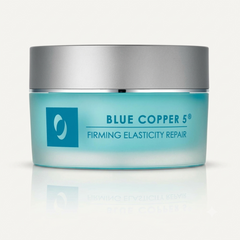
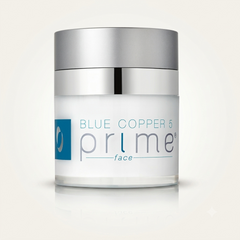
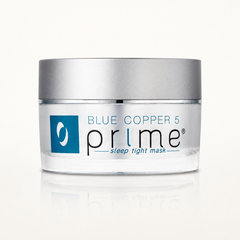
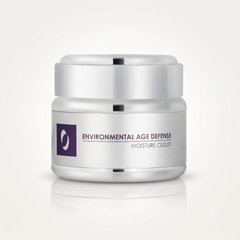
Shop products with this ingredient
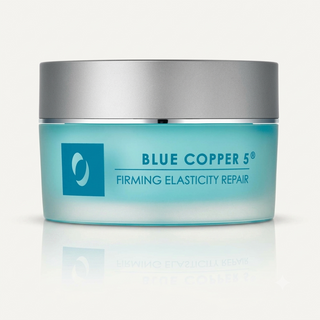
Osmotics formulas that contain this ingredient.
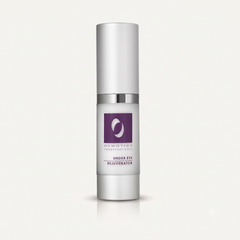
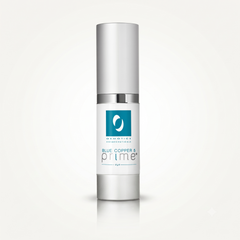
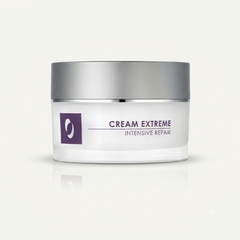
Shop products with this ingredient
Osmotics formulas that feature this active.

References
- Robinson LR, Fitzgerald NC, Doughty DG, et al. Topical palmitoyl pentapeptide provides improvement in photoaged human facial skin. International Journal of Cosmetic Science. 2005;27(3):155–160.
- Schagen SK. Topical Peptide Treatments with Effective Anti-Aging Results. Cosmetics. 2017;4(2):16.
Specific efficacy figures cited for Matrixyl® 3000 are drawn from the ingredient manufacturer's own studies.
This guide describes the appearance of skin and is general education, not medical advice; individual results may vary.