
 Serums
 Creams & Moisturizers
 Eye Care
 Cleansers & Toners
 Masks & Treatments
 Complexion & Glow
 Body & Bath


The Skin Barrier & Hydration Guide: How to Repair, Strengthen and Deeply Hydrate Your Skin
The short answer
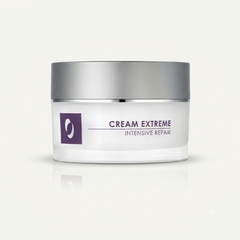
A healthy skin barrier keeps moisture in and irritants out; when it's compromised, skin feels tight, flaky, stingy and dehydrated. Repair it by simplifying your routine and using barrier lipids like ceramides, humectants like hyaluronic acid, and gentle, fragrance-free care while pausing harsh actives until skin feels calm. A rich, ceramide-supporting balm such as Cream Extreme Intensive Repair helps rebuild a stressed barrier overnight, easing tightness and flaking.
If your skin feels tight after cleansing, flakes in patches, stings when you apply a serum, or looks dull and dehydrated no matter how much moisturiser you use, the problem usually isn't hydration alone — it's your skin barrier. A healthy barrier is the difference between skin that stays calm, plump and comfortable and skin that feels reactive, parched and irritated.
This guide explains, in plain language, what the skin barrier actually is, how to tell when it's compromised, what damages it, and — most importantly — how to repair and deeply hydrate it with the right ingredients and a simple, sustainable routine.
What is the skin barrier?
The skin barrier (or moisture barrier) is the outermost layer of your skin, the stratum corneum. Dermatologists describe it as a “brick-and-mortar” wall: flattened skin cells (the bricks) held together by a matrix of lipids (the mortar). That lipid mortar is what seals moisture in and keeps irritants, allergens and pollution out.
The mortar isn't made of one ingredient. A healthy barrier is built from three lipid classes in balance:
- Ceramides — the structural backbone of the barrier lamellae.
- Cholesterol / plant sterols (phytosterols) — the flexible, cholesterol-equivalent component.
- Free fatty acids (such as linoleic acid) — the third essential lipid.
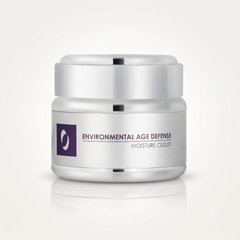
This is a key point most “ceramide creams” miss: supplying ceramides alone isn't the same as rebuilding the barrier. Supplying all three lipid classes is what helps reinforce the wall rather than just coating the surface — the principle behind our Environmental Age Defense Moisture Cloud and the richer Cream Extreme Intensive Repair.
Signs your skin barrier is compromised
A weakened barrier can't hold water in or keep stressors out, so skin loses moisture (a process called transepidermal water loss) and becomes reactive. Common signs include:
- Tightness, especially right after cleansing
- Flaking, roughness or peeling
- Redness or a warm, flushed look
- Stinging or burning when you apply products that never used to bother you
- Dullness and “dehydrated” fine lines that look worse when skin is thirsty
- Increased sensitivity or unexpected breakouts
If several of these sound familiar, your routine is likely doing too much — not too little.
What damages the skin barrier?
Barrier damage is usually a slow accumulation of small stressors rather than one dramatic event. The most common culprits:
- Over-exfoliation — too-frequent acids or scrubs strip the lipid mortar faster than skin can rebuild it.
- Harsh, high-foam cleansers that leave skin squeaky and tight.
- Overusing active ingredients — stacking retinol, vitamin C and acids without buffering.
- Environmental stress — cold, wind, low humidity, air travel, central heating, sun, pollution and blue light.
- Age — as skin matures it produces fewer barrier lipids and less natural moisturising factor, so mature skin dehydrates and thins more easily.
Hydration vs. moisturisation: the three-part model
People use these words interchangeably, but they do different jobs. Truly hydrated, comfortable skin needs all three:
- Humectants draw water into the skin. Think hyaluronic acid, glycerin, sodium PCA and panthenol. They plump the surface and soften the look of fine lines — the job of a dedicated Hyaluronic Acid Serum.
- Emollients soften and smooth, filling the gaps between skin cells — squalane, plant oils and fatty alcohols.
- Occlusives seal everything in and slow water loss — richer creams and balms that form a protective veil.
Here's the mistake almost everyone makes: applying a hyaluronic acid serum and stopping. Humectants pull in water — but if you don't seal them with an emollient or occlusive on top, that water can evaporate away (and in very dry air, a humectant can even draw moisture out of deeper skin). Always follow a hydrating serum with a moisturiser.
The barrier-repair and hydration hero ingredients
When you're shopping for barrier support, these are the ingredients that actually earn their place:
- Ceramides + phytosterols + fatty acids — the three barrier lipids, ideally together.
- Squalane — a lightweight, skin-identical emollient that reinforces without heaviness.
- Hyaluronic acid (multiple molecular weights) — surface and deeper hydration that plumps.
- Glycerin, sodium PCA and panthenol (Vitamin B5) — humectants and soothers.
- Antioxidants — to defend against the pollution, light and free-radical stress that degrade the barrier over time.
- Copper peptides — our signature since 1998; they support the look of firmer, healthier, more resilient skin as the barrier recovers.
Our lightweight Anti-Aging Super Serum pairs antioxidants with pure hyaluronic acid for an everyday hydration-and-defence step, while Moisture Cloud layers the full barrier-lipid system on top for reactive, city- and screen-exposed skin.
How to repair a damaged skin barrier (step by step)
If your barrier is already compromised, the goal for the next 2–4 weeks is simple: do less, and support more.
- Simplify your routine. Pause exfoliating acids, scrubs and strong actives (retinol, high-strength vitamin C) until skin feels calm again.
- Switch to a gentle cleanser. Skip anything that leaves skin tight or squeaky; cleanse with lukewarm (not hot) water.
- Layer hydration + lipids + a seal. Apply a humectant serum to slightly damp skin, then a barrier-supporting moisturiser to lock it in.
- Add a richer occlusive where needed. On very dry or flaky areas, a nourishing repair cream as your last night-time step seals moisture in while you sleep.
- Protect by day. Daily SPF is non-negotiable — UV is one of the biggest barrier stressors, and a recovering barrier is more vulnerable.
Be patient: the barrier renews over roughly 2–4 weeks, so consistency matters far more than any single “hero” product.
A simple barrier-supporting routine
Morning
- Gentle cleanse (or just rinse with water).
- Optional refining, antioxidant step — a hydrating toner such as Glow Toner.
- A hydrating antioxidant serum — Anti-Aging Super Serum or Hyaluronic Acid Serum.
- Lightweight barrier moisturiser — Moisture Cloud.
- SPF.
Evening
- Gentle cleanse.
- Hydrating serum on slightly damp skin.
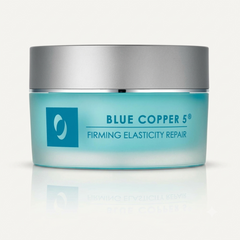
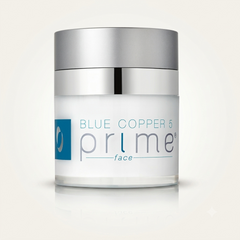
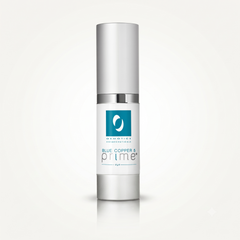
- Treatment cream — for firmness and resilience, Blue Copper 5 Firming Elasticity Repair or the more advanced Blue Copper 5 PRIME Face.
- For very dry, parched skin, seal with a rich Cream Extreme Intensive Repair as your final step.
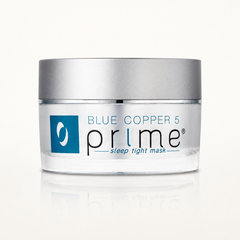
- A few nights a week, swap in an overnight treatment like the PRIME Sleep Tight Mask to wake up plumper and more rested.
The barrier and ageing: why 40+ skin needs more
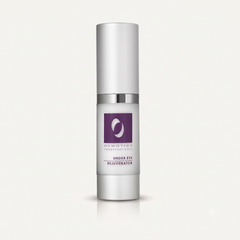
As skin matures it makes fewer barrier lipids, holds less water and renews more slowly, so it dehydrates, thins and loses bounce more easily. That's why a strong barrier is the foundation of any anti-ageing routine: hydrated, well-supported skin looks plumper, its lines look softer, and it tolerates active ingredients far better. If your concerns extend to firmness and fine lines, our copper-peptide Firming Elasticity Repair and PRIME Face build on that hydrated base. And if tired, crepey under-eyes are part of the picture, see our guide to dark circles and under-eye bags.
Frequently asked questions
How long does it take to repair the skin barrier?
Most people notice skin feeling calmer within a few days of simplifying their routine, with the barrier renewing over roughly 2–4 weeks. Deeper resilience continues to build with consistent, gentle care.
Can I use hyaluronic acid every day?
Yes — hyaluronic acid is gentle and suits most skin types daily. Apply it to slightly damp skin and always follow with a moisturiser so the water it attracts is sealed in rather than lost.
Is my barrier damaged, or is my skin just dry?
Dry skin lacks oil; dehydrated skin lacks water; a compromised barrier usually shows both, plus reactivity — stinging, redness and sensitivity to products that never used to bother you. If you have that reactivity, treat the barrier first.
Should I stop using retinol if my barrier is compromised?
Pause strong actives while skin recovers, then reintroduce them slowly — a few nights a week — buffered with a barrier moisturiser, and always with SPF by day. This article is general information, not medical advice; if skin is broken or persistently irritated, see a dermatologist.
Start with your skin
The fastest way to protect and rebuild your barrier is to match your routine to your skin's actual needs. Take our quick skin quiz for a personalised routine built around your concern — or explore the full barrier and hydration range to build yours from the ground up.