
 Serums
 Creams & Moisturizers
 Eye Care
 Cleansers & Toners
 Masks & Treatments
 Complexion & Glow
 Body & Bath


Ceramides: The Complete Guide
Written by the Osmotics team · Reviewed by Elena Hart, MD, dermatologist · Last updated
The short answer
Ceramides are the lipids that hold your skin barrier together — the 'mortar' between skin cells. Replenishing them repairs a compromised barrier, locks in moisture and reduces sensitivity, dryness and redness. They're gentle enough for all skin types and essential for barrier repair.
Quick answer: Ceramides are the “mortar” that holds your skin’s surface cells together and locks moisture in. Replacing them strengthens a compromised barrier, calms the look of redness and stops the tightness, flaking and sensitivity that come from a leaky barrier. They suit every skin type and pair well with everything.
What are ceramides?
Your skin’s outer layer works like a brick wall: skin cells are the bricks, and a blend of lipids — ceramides, cholesterol and fatty acids — is the mortar between them. Ceramides make up the largest share of that mortar. When they run low, the wall develops gaps: moisture escapes, irritants get in, and skin feels tight, dry and reactive. Topical ceramides top the mortar back up.
What do ceramides do for skin?
- Repair the barrier — refill the lipids that keep the surface sealed and resilient.
- Lock in moisture — reduce water loss, so skin stays hydrated and comfortable for longer.
- Calm sensitivity — a stronger barrier means less redness, stinging and reactivity.
- Protect against triggers — a sealed surface keeps out the environmental irritants that inflame skin.
Who needs ceramides most?
Anyone with dry, tight, flaky or sensitive skin, and anyone whose barrier is stressed by strong actives (retinol, acids), over-cleansing, cold weather or age — natural ceramide levels fall over time. Because ceramides simply restore something skin already has, they suit every skin type, including oily and acne-prone.
How to use ceramides
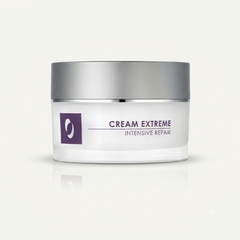
Ceramides live in your moisturiser step, morning and night, sealing in everything applied before them. They’re the ideal partner for stronger actives: use your retinol or acid, then a ceramide moisturiser on top to keep the barrier comfortable. A barrier cream like Cream Extreme Intensive Repair is built around exactly this idea. Ceramides work best alongside cholesterol and fatty acids — the full lipid trio — which is how healthy skin is built.
Are ceramides safe?
Ceramides are among the gentlest, most universally tolerated ingredients — they replenish what skin naturally contains — and are a mainstay of sensitive-skin care. This guide is general education, not medical advice.
See how barrier care fits the routine in the Ingredient Glossary, or find your match with the skin quiz.
Frequently asked questions
What do ceramides do for your skin?
They refill the lipids that hold the skin’s surface together, repairing the barrier so skin holds moisture, calms down and resists irritants.
Are ceramides good for oily or acne-prone skin?
Yes. They restore the barrier without heaviness, and a healthy barrier can actually help oily and acne-prone skin cope with active ingredients.
Can I use ceramides with retinol and acids?
Yes — they’re the ideal partner. Apply your active, then a ceramide moisturiser on top to keep the barrier comfortable.
Can I use ceramides every day?
Yes, morning and night. They’re gentle and designed for continuous use.
What’s the difference between ceramides and hyaluronic acid?
Hyaluronic acid is a humectant that draws in water; ceramides are barrier lipids that seal water in. They work beautifully together.
Do ceramides help sensitive or eczema-prone skin?
They’re a mainstay of sensitive-skin care because they rebuild a weak barrier. For diagnosed eczema, follow your doctor’s guidance too.
How long do ceramides take to work?
Comfort and hydration often improve within days; barrier resilience builds over a few weeks of consistent use. Individual results vary.
Shop products with this ingredient
Osmotics formulas that contain this ingredient.
Shop products with this ingredient
Osmotics formulas that feature this active.
 Cream Extreme Intensive Repair
 is a rich ceramide barrier and lipid repair cream for very dry, parched...
$86.00
Cream Extreme Intensive Repair
Cream Extreme Intensive Repair is a rich ceramide barrier and lipid repair cream for very dry, parched...
$86.00
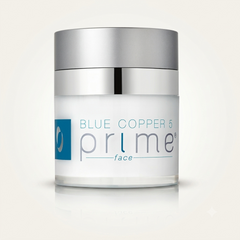
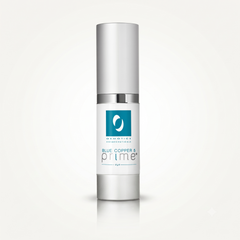
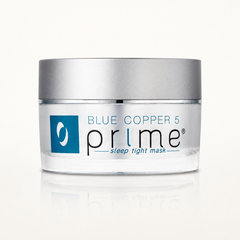
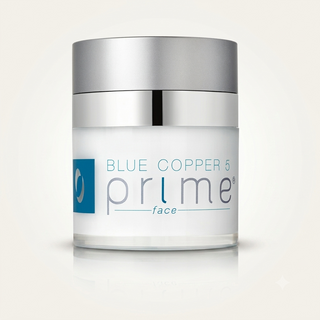 Blue Copper 5 PRIME® Face Cream
Blue Copper 5 PRIME® Face is our most advanced copper peptide face cream, with Matrixyl® 3000 and a fu...
$144.00
Blue Copper 5 PRIME® Face Cream
Blue Copper 5 PRIME® Face is our most advanced copper peptide face cream, with Matrixyl® 3000 and a fu...
$144.00
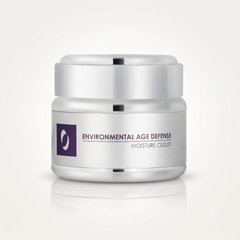
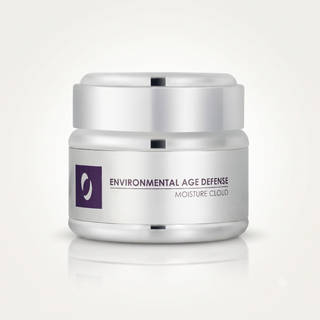 Environmental Age Defense Moisture Cloud
 is a ceramide and squalane barrier-repair gel-cream for dehyd...
$86.00
Environmental Age Defense Moisture Cloud
Environmental Age Defense Moisture Cloud is a ceramide and squalane barrier-repair gel-cream for dehyd...
$86.00
References
- Coderch L, López O, de la Maza A, Parra JL. Ceramides and skin function. American Journal of Clinical Dermatology. 2003;4(2):107–129.
- Meckfessel MH, Brandt S. The structure, function, and importance of ceramides in skin and their use in the treatment of dry skin. Journal of the American Academy of Dermatology. 2014;71(1):177–184.
This guide describes the appearance of skin and is general education, not medical advice; individual results may vary.