
 Serums
 Creams & Moisturizers
 Eye Care
 Cleansers & Toners
 Masks & Treatments
 Complexion & Glow
 Body & Bath


Sensitive Skin & Redness: How to Calm, Strengthen and Soothe It
The short answer
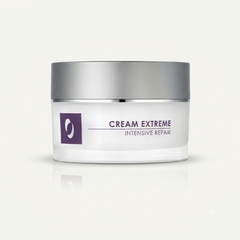
Sensitive, red skin usually traces back to a compromised barrier — often from over-cleansing, over-exfoliating or harsh actives. Calm and strengthen it by simplifying your routine and rebuilding the barrier with ceramides, niacinamide, hyaluronic acid and soothing botanicals, while avoiding fragrance and strong acids until skin settles. A cushioning, ceramide-rich cream like Cream Extreme Intensive Repair restores comfort and helps a reactive barrier recover overnight.
If your skin stings when you try a new product, flushes at the first sign of cold wind or a glass of wine, or looks pink and blotchy for no obvious reason, you're not alone — sensitive skin and facial redness are among the most common complaints there is. And they're often made worse by exactly the routines people reach for to "fix" them.
This guide explains what sensitive skin and redness really are, what triggers them, and how to calm, soothe and — most importantly — strengthen your skin so it reacts less over time. The goal isn't just to cover redness; it's to build a barrier that stops the flaring in the first place.
What sensitive skin and redness actually are
"Sensitive skin" isn't one thing — it's a set of reactions (stinging, burning, tightness, itching, flushing) that usually share one root cause: a compromised skin barrier. When the outer layer that holds moisture in and irritants out is weakened, water escapes, irritants get in, and nerve endings react. The result is skin that feels reactive and looks red.
Redness itself has a few common forms:
- Barrier-related sensitivity: redness plus tightness, stinging and flaking, often from over-cleansing, over-exfoliating or harsh actives.
- Reactive flushing: transient redness triggered by heat, cold, spice, alcohol, exercise or emotion.
- Rosacea: persistent central-face redness, sometimes with visible vessels or bumps — a medical condition that benefits from a dermatologist's input.
- Contact irritation or allergy: redness from a specific product or ingredient the skin objects to.
Most everyday sensitivity and redness trace back to a weakened barrier — which is good news, because the barrier can be rebuilt.
What triggers sensitive, red skin
- Over-doing your routine. Too many actives, too-frequent exfoliation, harsh cleansers and "more is better" thinking are the number-one cause of self-inflicted sensitivity.
- Harsh ingredients. High-strength acids, fragrance, drying alcohols and aggressive scrubs strip the barrier.
- Environment. Cold, wind, low humidity, indoor heating and sun all challenge fragile skin.
- Temperature and lifestyle. Hot showers, spicy food, alcohol, stress and lack of sleep all show up on reactive skin.
- A naturally thinner or drier barrier, which can be genetic or come with age as skin loses lipids.
The golden rule: strengthen, don't strip
The instinct with troubled skin is to do more — more exfoliating, more active ingredients, more scrubbing. For sensitive, red skin this backfires every time. The path to calmer skin is to simplify and support the barrier: fewer, gentler products; rich, restorative moisture; and the specific ingredients that rebuild the skin's protective layer. Do that, and the reactivity and redness settle down on their own.
The ingredients that calm and strengthen
These are the actives with the best evidence for soothing redness and — the real prize — rebuilding a resilient barrier.
Ceramides & barrier lipids — to rebuild the wall. Ceramides are the "mortar" that holds your skin's protective barrier together, and replenishing them is the single most effective way to reduce sensitivity long-term. A rich, ceramide- and lipid-supporting moisturizer restores the barrier so skin holds water, keeps irritants out, and simply reacts less. Our Cream Extreme Intensive Repair is built for exactly this — a cushioning, restorative cream for dry, compromised, easily-irritated skin.
Niacinamide — to calm and reinforce. Vitamin B3 is a standout for sensitive skin: it visibly reduces redness, strengthens the barrier and improves hydration, all while being gentle enough for reactive skin. It's one of the few "actives" that troubled skin genuinely welcomes.
Deep, buffering hydration — to relieve tightness. Well-hydrated skin is calmer, more comfortable skin. A humectant serum draws in and holds moisture, easing the tightness and stinging that come with a dehydrated barrier. Layer a Hyaluronic Acid Serum on damp skin and seal it with moisturizer; learn more in our hyaluronic acid guide.
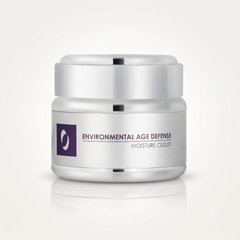
Antioxidant, lightweight moisture — for daily defense. Sensitive skin still needs protection from the environmental stress (pollution, free radicals) that inflames it. A light, antioxidant-rich hydrator like our Environmental Age Defense Moisture Cloud comforts and defends without heaviness — a good daytime layer for reactive skin.
Soothing botanicals (allantoin, squalane, oat and the like) — for instant comfort. These calming, skin-identical ingredients soften the feel of irritation and support the barrier. Look for them in gentle, fragrance-conscious formulas rather than as a reason to add more steps.
The takeaway: rebuild the barrier with ceramide-rich Cream Extreme, calm with niacinamide, relieve tightness with hyaluronic acid, and defend gently with an antioxidant Moisture Cloud — all while doing less, not more.
Habits that calm reactive skin
- Simplify your routine. Cleanse, hydrate, moisturize, protect. Cut anything that stings and reintroduce actives one at a time, slowly.
- Use lukewarm water and a gentle, non-stripping cleanser. Hot water and foaming, high-pH cleansers strip lipids.
- Pause exfoliation while flaring. Give the barrier time to recover before any acids or scrubs return — and then go gentle.
- Avoid fragrance and known irritants when skin is reactive; patch-test new products on the inner arm or jaw first.
- Protect from sun, wind and cold. A gentle mineral SPF and a scarf in winter genuinely reduce flaring.
- Moisturize on damp skin to lock in water, and don't skip it — a strong barrier is the whole game.
A gentle routine for sensitive, red skin
Morning: rinse or use a gentle cleanser → Hyaluronic Acid Serum on damp skin → Environmental Age Defense Moisture Cloud → a gentle broad-spectrum SPF.
Evening: gentle cleanse → Hyaluronic Acid Serum → a rich layer of Cream Extreme Intensive Repair to rebuild the barrier overnight.
Keep it this simple until skin feels calm and comfortable — usually a couple of weeks — then, if you want to add an anti-aging active, introduce just one, slowly, and stop if it stings. Individual results may vary.
How Osmotics approaches sensitive skin
Our philosophy for reactive, red skin is barrier-first: calm and rebuild before you correct. The ceramide-rich Cream Extreme Intensive Repair restores a compromised barrier overnight, the lightweight antioxidant Moisture Cloud comforts and defends by day, and barrier-friendly hyaluronic acid keeps skin hydrated and less reactive. Once skin is strong and calm, it tolerates the rest of your routine far better — explore the full range in our Skin Library. Individual results may vary.
When to see a professional
See a dermatologist if:
- You have persistent central-face redness, visible vessels or bumps — this may be rosacea, which has specific, effective treatments.
- Redness comes with swelling, blistering, intense itching or a spreading rash — signs of an allergic or contact reaction that needs assessment.
- Your skin doesn't calm down after a few weeks of a simplified, gentle routine.
- Sensitivity appears suddenly and severely, or interferes with daily life.
Chronic redness in particular is worth a professional diagnosis, because rosacea and true allergies are managed differently from everyday barrier sensitivity.
Frequently asked questions
How do I calm red, irritated skin fast?
Stop everything active, cleanse gently with lukewarm water, and apply a rich, barrier-repairing moisturizer over a hydrating serum. Avoid fragrance, acids, retinoids and scrubs until the skin settles. Cool (not cold) compresses help transient flushing. For lasting calm, keep the routine simple and rebuild the barrier with ceramides.
What is a damaged skin barrier and how do I fix it?
A damaged barrier is a weakened outer skin layer that lets moisture out and irritants in, causing tightness, stinging, flaking and redness. You fix it by simplifying your routine, avoiding harsh actives and cleansers, and using ceramide- and lipid-rich moisturizers plus hydrating serums until skin feels comfortable again — usually two to four weeks.
Which ingredients are best for sensitive skin?
Ceramides and barrier lipids (to rebuild), niacinamide (to calm redness and strengthen), hyaluronic acid (to hydrate), and soothing botanicals like allantoin and squalane. Just as important is what to avoid: fragrance, high-strength acids, drying alcohols and aggressive scrubs.
Can I use anti-aging products if my skin is sensitive?
Yes, but sequence matters: get the barrier calm and strong first, then introduce one active at a time, slowly, and stop if it stings. A strong, well-hydrated barrier actually tolerates actives like retinol far better than compromised skin does.
Is my redness rosacea?
Possibly, if it's persistent central-face redness with visible vessels or bumps that flares with heat, spice or alcohol. Everyday barrier sensitivity tends to be tightness, stinging and flaking that improves with gentle care. Because they're managed differently, persistent redness is worth a dermatologist's diagnosis.
Why does my skin sting when I apply products?
Stinging usually means a compromised barrier or an ingredient your skin objects to (often fragrance or a strong acid). Pare back to a gentle, barrier-repairing routine, patch-test new products, and reintroduce actives only once skin is calm.
Key takeaways
- Most sensitive skin and redness come from a compromised skin barrier — which can be rebuilt.
- The biggest cause is often over-doing it: too many actives, too much exfoliation, harsh products.
- The rule is strengthen, don't strip — simplify, and support the barrier.
- The key ingredients are ceramides and barrier lipids, niacinamide, hyaluronic acid and soothing botanicals.
- Keep the routine simple and gentle until skin is calm, then add actives one at a time.
- See a dermatologist for persistent redness, possible rosacea, or reactions that don't settle.
This article is for educational purposes and describes the appearance and feel of skin; it is not medical advice. Persistent or severe redness should be evaluated by a doctor. Individual results may vary.