
 Serums
 Creams & Moisturizers
 Eye Care
 Cleansers & Toners
 Masks & Treatments
 Complexion & Glow
 Body & Bath


Niacinamide: The Complete Guide
Written by the Osmotics team · Reviewed by Elena Hart, MD, dermatologist · Last updated
The short answer
Niacinamide (vitamin B3) is a gentle, well-tolerated multitasker that visibly evens tone, fades dark spots, calms redness, regulates oil and strengthens the skin barrier. It pairs with almost everything and suits sensitive skin, making it one of the easiest actives to add to any routine.
Quick answer: Niacinamide (vitamin B3) is one of the most versatile and best-tolerated actives in skincare. It brightens the look of tone, supports the barrier, refines the look of pores and calms redness — and it plays nicely with everything, including vitamin C and retinol. A well-balanced low percentage does the job; a huge number on the box doesn’t.
What is niacinamide?
Niacinamide is a form of vitamin B3. It’s water-soluble, gentle and stable, and skin uses it as a building block for the molecules that support the barrier and cellular energy. Because it’s so well tolerated, it suits nearly every skin type, including sensitive and reactive skin. (Note: niacinamide is not the same as niacin, the form that can cause facial flushing — niacinamide does not flush.)
What does niacinamide do for skin?
- Evens the look of tone — helps reduce the appearance of dark spots and blotchiness by limiting how pigment travels to the surface.
- Supports the barrier — encourages the skin’s own ceramide production for a stronger, more resilient surface.
- Refines the look of pores and oil — helps regulate the appearance of shine, so skin looks smoother.
- Calms and hydrates — soothes the look of redness and boosts moisture.
- Antioxidant support — helps defend against daily environmental stress.
How to use niacinamide
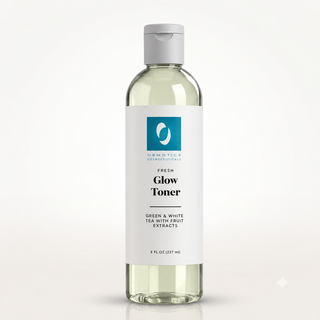
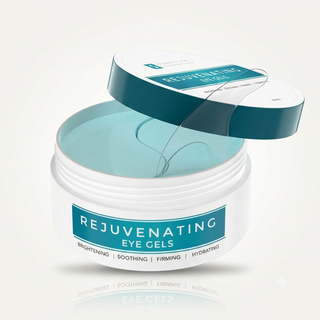
Niacinamide slots into any routine, morning or night, after cleansing and before heavier creams. It layers well with almost everything — including retinol, hyaluronic acid, peptides and vitamin C — and can make stronger actives more comfortable by supporting the barrier. Our Glow Toner pairs niacinamide with gentle refining actives as an easy first step, and our Rejuvenating Eye Gels use it around the eyes.
The niacinamide + vitamin C “myth”
You may read that niacinamide and vitamin C shouldn’t be combined. That comes from old lab studies using raw, unformulated ingredients at high heat — not how modern products are made. In today’s well-formulated products the two work perfectly well together, and there’s no need to separate them.
What percentage is best?
Most of niacinamide’s benefits are seen at low single-digit percentages. Very high concentrations don’t add much and can cause flushing or irritation in sensitive skin, so a well-balanced formula matters more than a big number on the label.
Is niacinamide safe?
Niacinamide is one of the gentlest actives available and is generally well tolerated across skin types, including sensitive skin. If your skin is reactive, patch test first and introduce a new product gradually. This guide is general education, not medical advice.
Explore how it fits with the rest of our formulas in the Ingredient Glossary, or find your match with the skin quiz.
Frequently asked questions
Can I use niacinamide with vitamin C?
Yes. Despite an old myth to the contrary, modern formulas of niacinamide and vitamin C work well together and there’s no need to separate them.
Can I use niacinamide with retinol?
Yes — they pair beautifully. Niacinamide supports the barrier, which helps make retinol more comfortable to use.
Is niacinamide the same as niacin?
No. Niacin (nicotinic acid) can cause facial flushing; niacinamide is a different form of vitamin B3 that does not flush and is the one used in skincare.
What percentage of niacinamide is best?
Most benefits are seen in the low single-digit percentages. Very high concentrations don’t add much and can cause flushing in sensitive skin, so a well-balanced formula matters more than a big number.
Is niacinamide good for sensitive skin?
Yes, it’s one of the best-tolerated actives and is often used specifically to calm and strengthen sensitive, reactive skin.
Does niacinamide help with dark spots and pores?
Yes — it helps even the look of tone and refine the appearance of pores and oil with consistent use.
How long does niacinamide take to work?
Comfort and hydration improve quickly; tone and pore appearance shift over several weeks of consistent use. Individual results vary.
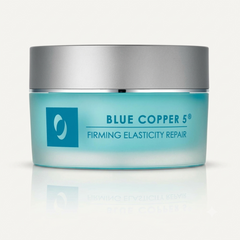
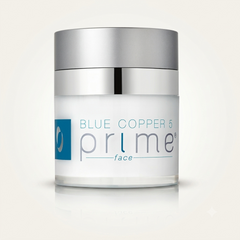
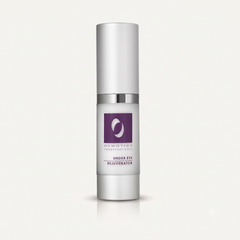
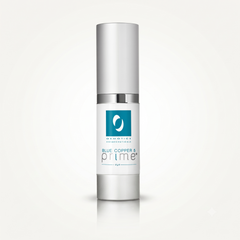
Shop products with this ingredient
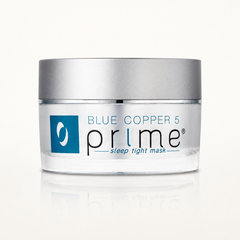
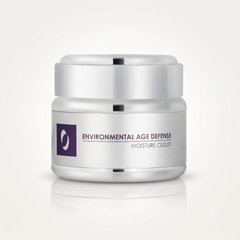
Osmotics formulas that contain this ingredient.
Shop products with this ingredient
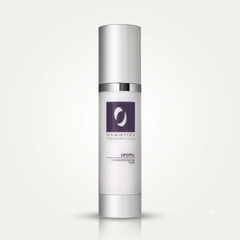
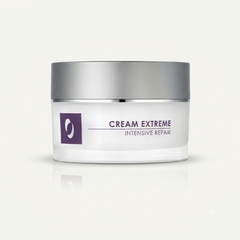
Osmotics formulas that feature this active.
References
- Bissett DL, Oblong JE, Berge CA. Niacinamide: A B vitamin that improves aging facial skin appearance. Dermatologic Surgery. 2005;31(7 Pt 2):860–865.
- Draelos ZD, Ertel K, Berge C. Niacinamide-containing facial moisturizer improves skin barrier and benefits subjects with rosacea. Cutis. 2005;76(2):135–141.
This guide describes the appearance of skin and is general education, not medical advice; individual results may vary.