
 Serums
 Creams & Moisturizers
 Eye Care
 Cleansers & Toners
 Masks & Treatments
 Complexion & Glow
 Body & Bath


SYN-HYCAN: The Complete Guide
Written by the Osmotics team · Reviewed by Elena Hart, MD, dermatologist · Last updated
The short answer
SYN-HYCAN (tripeptide-42) is a firming peptide that supports the skin's hyaluronic-acid network and elastic fibres, helping improve the look of firmness, elasticity and jawline definition.
Quick answer: SYN®-HYCAN is a firming peptide complex developed specifically for the loss of tone and “crepiness” that shows up on the neck and décolletage. It works on both the skin’s structural scaffold and its hyaluronic-acid content, helping skin look tighter, smoother and more elastic in the areas that age fastest.
What is SYN®-HYCAN?
SYN®-HYCAN is a trademarked tripeptide complex (Tripeptide-43 with supporting glycosaminoglycan and polysaccharide components). It was designed to target the visible signs of ageing that ordinary face creams overlook — the slackening, thin, crepey look of the neck and chest, where skin is delicate and collagen loss shows early.
How SYN®-HYCAN works
Youthful firmness depends on two things: a strong structural scaffold (collagen and elastin) and enough hyaluronic acid to keep tissue plump and cushioned. SYN®-HYCAN is formulated to support both — signalling the skin’s support structures while helping maintain its hyaluronic-acid content. The result is skin that looks firmer and more elastic, with a smoother, less crepey surface.
What does SYN®-HYCAN do for skin?
- Firms the look of the neck and chest — targets the slackening these areas show first.
- Smooths crepiness — helps refine the fine, papery texture of thin skin.
- Supports elasticity — skin looks and feels bouncier and more resilient.
- Boosts the look of plumpness — via support for the skin’s hyaluronic-acid cushion.
Why the neck and chest need their own care
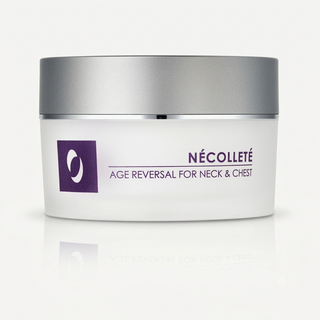
Skin on the neck and décolletage is thinner and has fewer oil glands than the face, so it dehydrates and loses firmness faster — yet it’s often left out of daily routines. Peptides developed specifically for these areas, like SYN®-HYCAN, address that gap, which is why it anchors our Nécolleté Age Reversal for Neck & Chest.
How to use SYN®-HYCAN
Apply a SYN®-HYCAN treatment to the neck and chest morning and night, sweeping upward, extending your facial routine down rather than stopping at the jaw. It layers well with hyaluronic acid, copper peptides and moisturisers, and daytime use should always be followed by SPF on the exposed décolletage.
Is SYN®-HYCAN safe?
As a signal peptide complex it’s gentle and generally well tolerated across skin types. This guide is general education, not medical advice; individual results vary.
Explore our other firming peptides in the Ingredient Glossary, or find your match with the skin quiz.
Frequently asked questions
What is SYN-HYCAN?
A trademarked firming peptide complex developed to target loss of tone and crepiness on the neck and chest by supporting both the skin’s structure and its hyaluronic acid.
What area is SYN-HYCAN best for?
The neck and décolletage, where thin skin loses firmness and looks crepey earlier than the face.
Can I use SYN-HYCAN on my face?
It’s designed for the neck and chest, but the peptides are gentle; it’s most valuable used where that firming action is needed most.
Can I layer SYN-HYCAN with other actives?
Yes — it pairs well with hyaluronic acid, copper peptides and moisturisers.
Is SYN-HYCAN safe for sensitive skin?
Yes, signal peptides are gentle and generally well tolerated.
How long does SYN-HYCAN take to work?
Firmness and smoothness build gradually over several weeks to a few months of consistent twice-daily use. Individual results vary.
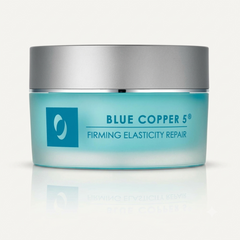
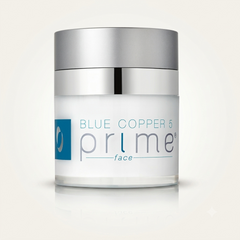
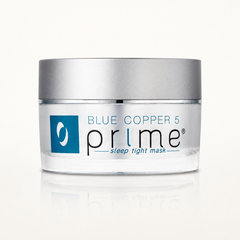
Shop products with this ingredient
Osmotics formulas that contain this ingredient.
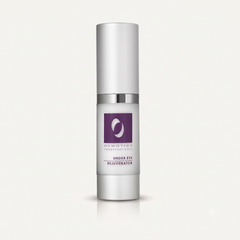
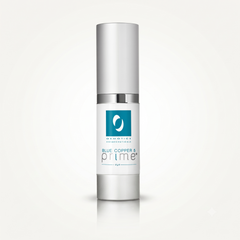
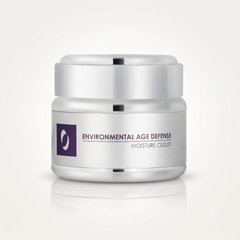
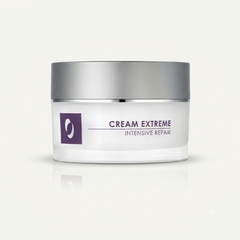
Shop products with this ingredient
Osmotics formulas that feature this active.
References
- Schagen SK. Topical Peptide Treatments with Effective Anti-Aging Results. Cosmetics. 2017;4(2):16.
- Errante F, Ledwoń P, Latajka R, et al. Cosmeceutical Peptides in the Framework of Sustainable Wellness Economy. Frontiers in Chemistry. 2020;8:572923.
Efficacy figures cited for SYN®-HYCAN (tripeptide-42) are drawn from the ingredient manufacturer's own studies; independent peer-reviewed research on the finished active is limited. The references above cover the peptide class and mechanism.
This guide describes the appearance of skin and is general education, not medical advice; individual results may vary.