
 Serums
 Creams & Moisturizers
 Eye Care
 Cleansers & Toners
 Masks & Treatments
 Complexion & Glow
 Body & Bath


Squalane: The Complete Guide
Written by the Osmotics team · Reviewed by Elena Hart, MD, dermatologist · Last updated
The short answer
Squalane is a lightweight, skin-identical emollient that softens, smooths and locks in moisture without feeling greasy or clogging pores. It suits all skin types, including oily and sensitive, and helps support the barrier — a versatile finishing step in any routine.
Quick answer: Squalane is a lightweight, non-greasy oil that mimics a lipid your skin makes naturally. It softens, smooths and seals in moisture without clogging pores or feeling heavy, so it suits every skin type — including oily and sensitive. It’s exceptionally stable and gentle, and pairs with everything.
What is squalane?
Your skin naturally produces squalene (with an “e”), a lipid that helps keep the surface soft and protected. Levels drop with age. Squalane (with an “a”) is the stabilised, skincare-friendly version — the same molecule made shelf-stable so it won’t oxidise or go rancid. Modern squalane is usually derived sustainably from olives or sugarcane rather than its original shark-liver source.
What does squalane do for skin?
- Softens and smooths — sinks in fast for immediately supple, comfortable skin.
- Seals in moisture — an emollient that reduces water loss without a greasy film.
- Supports the barrier — replenishes a lipid skin already uses, helping it stay resilient.
- Lightweight for all skin — non-comedogenic and weightless, so even oily skin tolerates it.
Why squalane suits every skin type
Because it matches skin’s own lipids and is non-comedogenic, squalane hydrates oily and acne-prone skin without breakouts, comforts dry skin, and calms sensitive skin — a rare oil that genuinely works across the board. It’s also fragrance-free by nature and very unlikely to irritate.
How to use squalane
Apply squalane toward the end of your routine, after water-based serums, to seal everything in — morning or night. A few drops are enough. It layers over treatments beautifully and is a lovely way to buffer stronger actives like retinol. You’ll find it woven through our richer treatments and barrier creams as a comforting, non-greasy emollient.
Is squalane safe?
Squalane is one of the gentlest, most stable oils in skincare, well tolerated across all skin types including sensitive and acne-prone. This guide is general education, not medical advice.
Explore the rest of our conditioning actives in the Ingredient Glossary, or find your match with the skin quiz.
Frequently asked questions
Is squalane good for oily or acne-prone skin?
Yes. It’s lightweight and non-comedogenic, so it hydrates without clogging pores or adding grease.
What’s the difference between squalene and squalane?
Squalene is the lipid your skin makes; squalane is its stabilised, shelf-stable form used in skincare so it won’t oxidise.
Is squalane made from sharks?
It once was, but reputable modern squalane is derived sustainably from plants such as olives or sugarcane.
When should I apply squalane in my routine?
Toward the end, after water-based serums, to seal in moisture — morning or night.
Can I use squalane with retinol?
Yes — it’s a great buffer, softening the drying effect of retinol while sealing in your other steps.
Does squalane clog pores?
No, it’s non-comedogenic, which is why it suits acne-prone and oily skin as well as dry.
How long does squalane take to work?
Skin feels softer and more comfortable immediately; barrier benefits build with regular use. Individual results vary.
Shop products with this ingredient
Osmotics formulas that contain this ingredient.
Shop products with this ingredient
Osmotics formulas that feature this active.
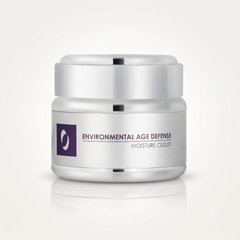
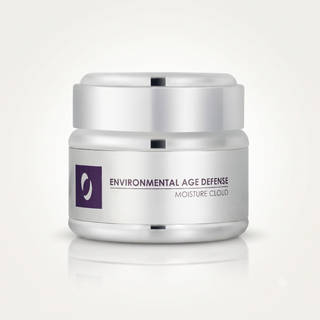 Environmental Age Defense Moisture Cloud
 is a ceramide and squalane barrier-repair gel-cream for dehyd...
$86.00
Environmental Age Defense Moisture Cloud
Environmental Age Defense Moisture Cloud is a ceramide and squalane barrier-repair gel-cream for dehyd...
$86.00
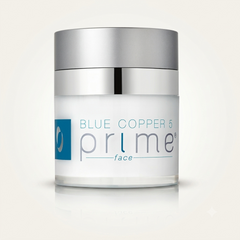
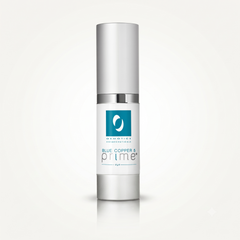
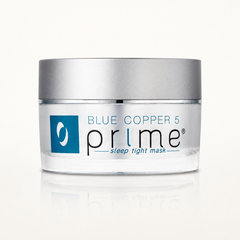
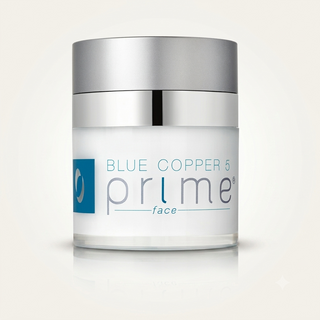 Blue Copper 5 PRIME® Face Cream
Blue Copper 5 PRIME® Face is our most advanced copper peptide face cream, with Matrixyl® 3000 and a fu...
$144.00
Blue Copper 5 PRIME® Face Cream
Blue Copper 5 PRIME® Face is our most advanced copper peptide face cream, with Matrixyl® 3000 and a fu...
$144.00
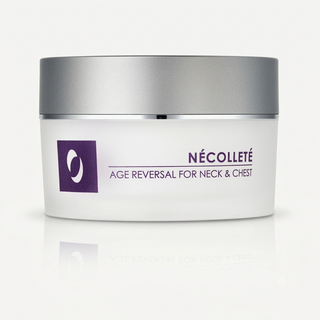 Nécolleté Age Reversal for Neck and Chest
Nécolleté Age Reversal is a peptide neck and chest cream built on Essenskin® to firm, re-densify and s...
$84.00
Nécolleté Age Reversal for Neck and Chest
Nécolleté Age Reversal is a peptide neck and chest cream built on Essenskin® to firm, re-densify and s...
$84.00
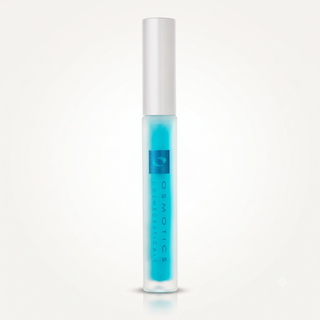 Blue Copper 5® Lip Plumper
 is a needle-free copper peptide lip plumper with hyaluronic acid, for thinn...
$74.00
Blue Copper 5® Lip Plumper
Blue Copper 5® Lip Plumper is a needle-free copper peptide lip plumper with hyaluronic acid, for thinn...
$74.00
References
- Huang ZR, Lin YK, Fang JY. Biological and pharmacological activities of squalene and related compounds. Molecules. 2009;14(1):540–554.
- Sethi A, Kaur T, Malhotra SK, Gambhir ML. Moisturizers: The Slippery Road. Indian Journal of Dermatology. 2016;61(3):279–287.
This guide describes the appearance of skin and is general education, not medical advice; individual results may vary.