
 Serums
 Creams & Moisturizers
 Eye Care
 Cleansers & Toners
 Masks & Treatments
 Complexion & Glow
 Body & Bath


Phytosterols & Linoleic Acid: The Complete Guide
Written by the Osmotics team · Reviewed by Elena Hart, MD, dermatologist · Last updated
The short answer
Phytosterols and linoleic acid are plant lipids that reinforce the skin barrier, soothe and help skin retain moisture for a calmer, more comfortable feel.
Quick answer: Phytosterols and linoleic acid are plant-derived barrier lipids that top up the skin’s natural mortar — calming redness, reinforcing a weak barrier and relieving dryness. They’re especially valuable for sensitive, dry or acne-prone skin, since linoleic acid is often low in blemish-prone skin.
What are phytosterols and linoleic acid?
Phytosterols are plant sterols that closely resemble the cholesterol in the skin’s barrier, while linoleic acid is an essential omega-6 fatty acid the skin uses to build its protective lipids. Together they replenish two of the three lipid families (alongside ceramides) that seal the skin’s surface.
What do they do for skin?
- Reinforce the barrier — refill the lipids that keep skin sealed and resilient.
- Calm and soothe — help reduce the look of redness and reactivity.
- Relieve dryness — restore softness and comfort to tight, parched skin.
- Support blemish-prone skin — linoleic acid is often low in acne-prone skin, so topping it up can help.
How to use them
These lipids come formulated into moisturisers and barrier treatments, for daily morning and night use. They pair perfectly with ceramides and are ideal for buffering stronger actives like retinol. Apply in your moisturiser step to seal everything in.
Are they safe?
Plant barrier lipids are gentle and well tolerated, including on sensitive and reactive skin. This guide is general education, not medical advice; individual results vary.
See how barrier care fits the routine in the Ingredient Glossary, or find your match with the skin quiz.
Frequently asked questions
What do phytosterols and linoleic acid do?
They replenish the skin’s barrier lipids, calming redness, reinforcing a weak barrier and relieving dryness.
Are they good for acne-prone skin?
Yes — linoleic acid is often low in blemish-prone skin, so restoring it can help support a healthier barrier.
Can I use them with ceramides and retinol?
Yes — they pair perfectly with ceramides and help buffer stronger actives like retinol.
How long do they take to work?
Comfort improves quickly; barrier resilience builds over a few weeks of consistent use. Individual results vary.
Shop products with this ingredient
Osmotics formulas that contain this ingredient.
Shop products with this ingredient
Osmotics formulas that feature this active.
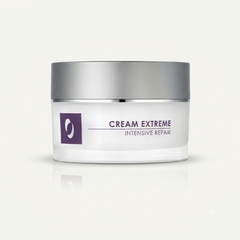
 Cream Extreme Intensive Repair
 is a rich ceramide barrier and lipid repair cream for very dry, parched...
$86.00
Cream Extreme Intensive Repair
Cream Extreme Intensive Repair is a rich ceramide barrier and lipid repair cream for very dry, parched...
$86.00
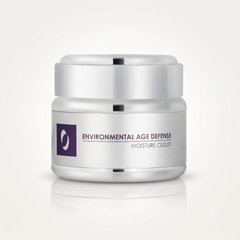
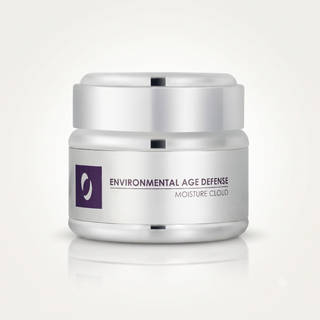 Environmental Age Defense Moisture Cloud
 is a ceramide and squalane barrier-repair gel-cream for dehyd...
$86.00
Environmental Age Defense Moisture Cloud
Environmental Age Defense Moisture Cloud is a ceramide and squalane barrier-repair gel-cream for dehyd...
$86.00
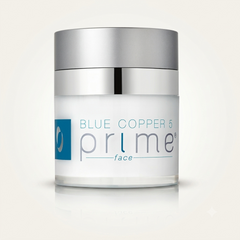
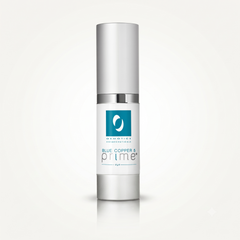
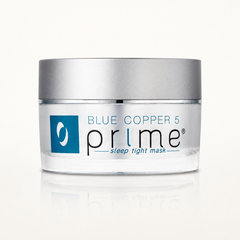
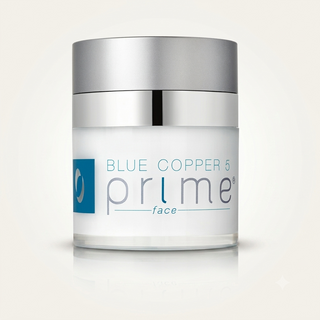 Blue Copper 5 PRIME® Face Cream
Blue Copper 5 PRIME® Face is our most advanced copper peptide face cream, with Matrixyl® 3000 and a fu...
$144.00
Blue Copper 5 PRIME® Face Cream
Blue Copper 5 PRIME® Face is our most advanced copper peptide face cream, with Matrixyl® 3000 and a fu...
$144.00
References
- Letawe C, Boone M, Piérard GE. Digital image analysis of the effect of topically applied linoleic acid on acne microcomedones. Clinical and Experimental Dermatology. 1998;23(2):56–58.
- Lin TK, Zhong L, Santiago JL. Anti-Inflammatory and Skin Barrier Repair Effects of Topical Application of Some Plant Oils. International Journal of Molecular Sciences. 2018;19(1):70.
This guide describes the appearance of skin and is general education, not medical advice; individual results may vary.