
 Serums
 Creams & Moisturizers
 Eye Care
 Cleansers & Toners
 Masks & Treatments
 Complexion & Glow
 Body & Bath


Mandelic Acid: The Complete Guide
Written by the Osmotics team · Reviewed by Elena Hart, MD, dermatologist · Last updated
The short answer
Mandelic acid is a gentle alpha-hydroxy acid (AHA) with a larger molecule than glycolic, so it exfoliates and refines tone while being kinder to sensitive and breakout-prone skin. It smooths texture, brightens dullness and helps fade uneven tone with less irritation.
Quick answer: Mandelic acid is the gentlest of the alpha-hydroxy acids (AHAs). Its large molecule exfoliates slowly and evenly, so it brightens tone, smooths texture and helps clear congestion with far less irritation than glycolic acid — making it a smart first exfoliant for sensitive or darker skin tones.
What is mandelic acid?
Mandelic acid is an alpha-hydroxy acid derived from almonds. Like all AHAs it dissolves the “glue” between dead surface cells so they shed more evenly. What sets it apart is molecule size: mandelic acid is much larger than glycolic acid, so it penetrates more slowly and gently — the same brightening, smoothing benefits with a fraction of the sting.
What does mandelic acid do for skin?
- Brightens tone — sheds dull surface cells and helps fade the look of uneven pigmentation and dark spots.
- Smooths texture — refines rough, bumpy skin for a softer, more even surface.
- Clears congestion — helps keep pores clear, useful for breakout-prone skin.
- Gentle on sensitive and deeper skin tones — a lower risk of the irritation and post-inflammatory marks that stronger acids can trigger.
Mandelic vs. glycolic and salicylic acid
Glycolic acid is a small, fast AHA — powerful but more irritating. Salicylic acid is a BHA that works inside oily pores. Mandelic acid sits in between: gentle like few AHAs, with some affinity for congestion, which makes it a versatile starter exfoliant — especially for those who find glycolic too harsh or are prone to pigmentation.
How to use mandelic acid
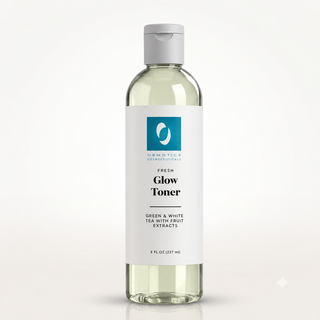
Use it at night, a few times a week to start, building up as tolerated: cleanse → mandelic treatment → moisturise. Because it’s an exfoliant, daily SPF is essential. Avoid layering it in the same routine as retinol or other acids at first to prevent over-exfoliation — alternate nights instead. A gentle refining step like our Glow Toner is an easy way to introduce acids.
Is mandelic acid safe?
Mandelic acid is the mildest AHA and generally very well tolerated, but it’s still an exfoliant — start slowly, don’t over-use, and always wear sunscreen. Those allergic to almonds should be cautious. Patch test first. This guide is general education, not medical advice.
See how exfoliants fit the routine in the Ingredient Glossary, or find your match with the skin quiz.
Frequently asked questions
Is mandelic acid gentler than glycolic acid?
Yes. Its larger molecule penetrates more slowly, so it brightens and smooths with much less irritation — a good choice for sensitive skin.
Is mandelic acid good for dark or deeper skin tones?
It’s often preferred because its gentleness lowers the risk of the irritation and post-inflammatory pigmentation that stronger acids can cause.
How often should I use mandelic acid?
Start a few nights a week and build up as your skin adjusts. Don’t over-exfoliate.
Can I use mandelic acid with retinol?
Introduce them on alternate nights rather than together at first, to avoid over-exfoliating and irritating the skin.
Does mandelic acid help with acne?
It can help keep pores clear and smooth texture, which benefits breakout-prone skin, and it’s gentler than many acne acids.
Do I need sunscreen with mandelic acid?
Yes, always. Exfoliating acids make skin more sun-sensitive, so daily SPF is essential.
How long does mandelic acid take to work?
Brightness and smoothness often improve within a couple of weeks; tone evens out over several weeks of consistent use. Individual results vary.
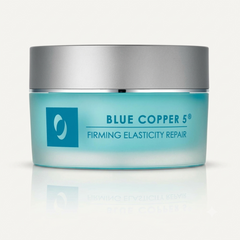
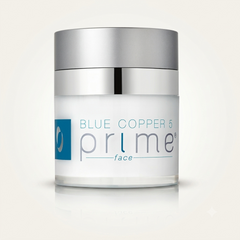
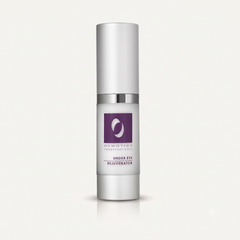
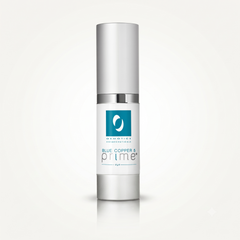
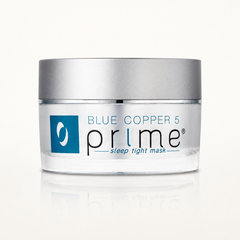
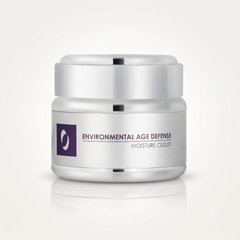
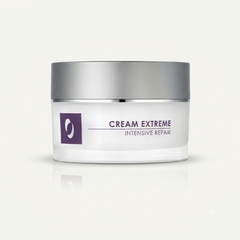
Shop products with this ingredient
Osmotics formulas that contain this ingredient.
Shop products with this ingredient
Osmotics formulas that feature this active.
References
- Kornhauser A, Coelho SG, Hearing VJ. Applications of hydroxy acids: classification, mechanisms, and photoactivity. Clinical, Cosmetic and Investigational Dermatology. 2010;3:135–142.
- Tang SC, Yang JH. Dual Effects of Alpha-Hydroxy Acids on the Skin. Molecules. 2018;23(4):863.
This guide describes the appearance of skin and is general education, not medical advice; individual results may vary.